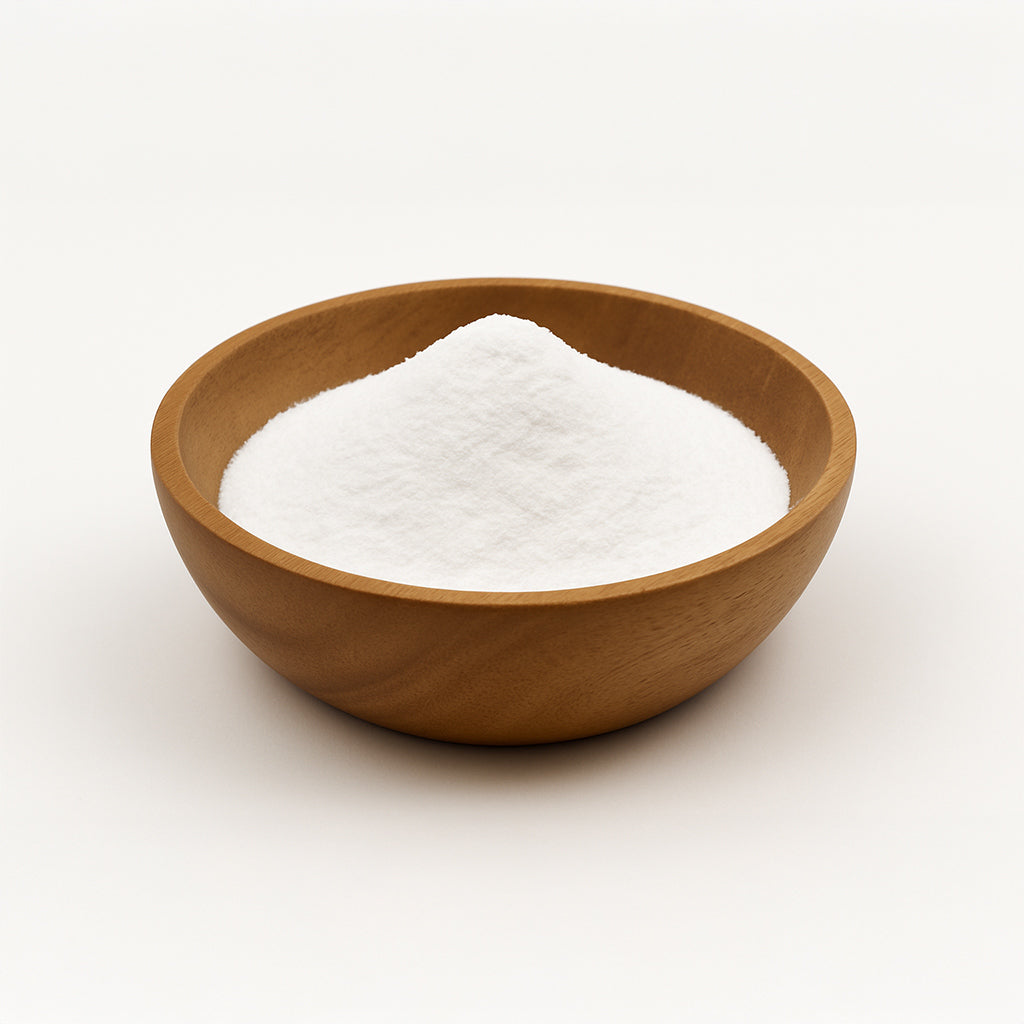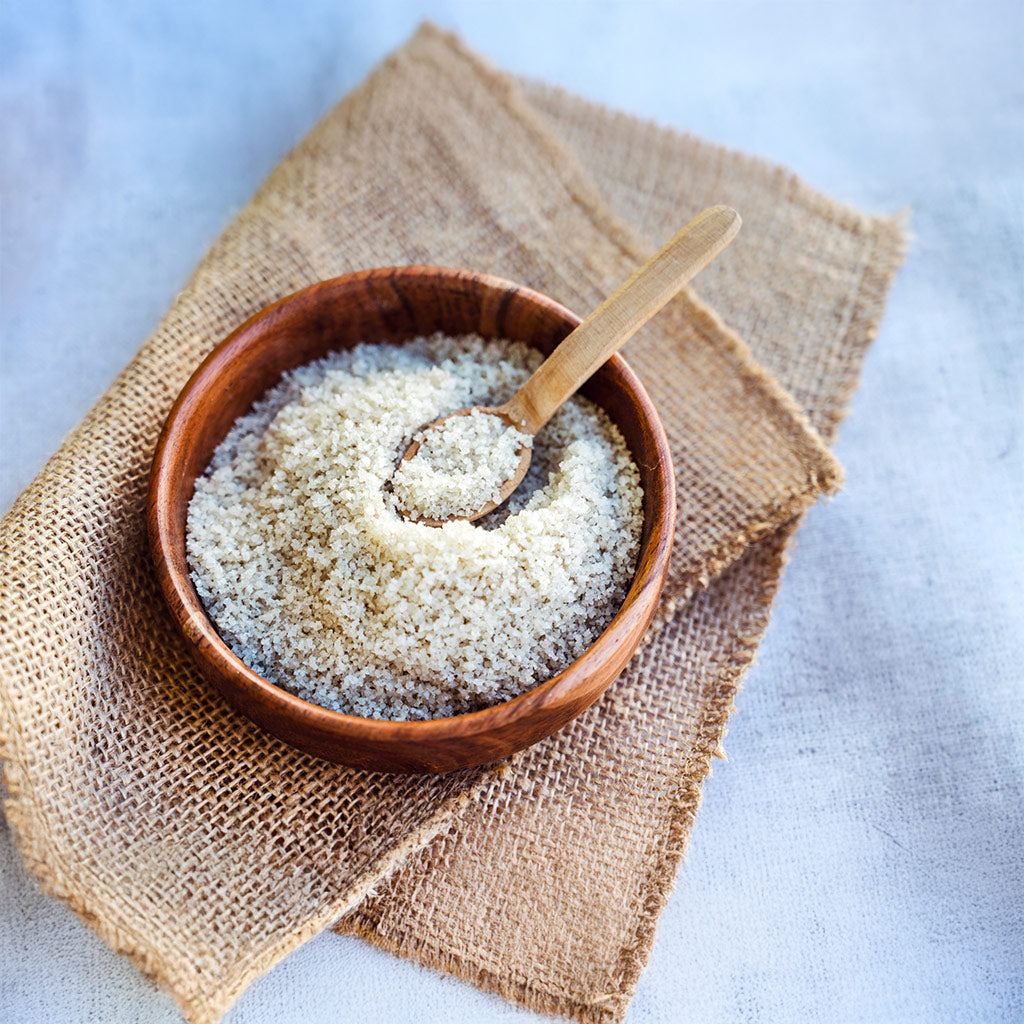




Creatine powder is one of the most purchased sports supplements in Australia, and for good reason. It has been studied more thoroughly than almost anything else on the supplement shelf. And yet the conversation around it remains muddied by outdated stereotypes, gym mythology and the kind of vague product copy that tells you absolutely nothing. This is the guide that fixes that.
Whether you are looking for the best creatine in Australia, trying to understand the difference between creatine powder options, or you are new to supplementation entirely, everything you need is here.
What Creatine Actually Is
Creatine is not a synthetic compound cooked up in a lab. It is a naturally occurring substance that your body produces on its own, synthesised primarily in the liver, kidneys and pancreas from three amino acids: arginine, glycine and methionine. Your skeletal muscle tissue stores the majority of it, where it plays a direct role in the energy systems that power short, intense physical efforts.
You also consume creatine through food. Red meat and fish are the most concentrated dietary sources. The problem is that even a diet rich in both only delivers one to two grams per day, and your muscles can store significantly more than that. Most people walking around are sitting at fifty to sixty percent of their maximum creatine storage capacity. Supplementation closes that gap.
The Science Behind Creatine Powder
Creatine monohydrate is the most researched form of creatine and the form with the most consistent evidence behind it. The International Society of Sports Nutrition has classified it as the most effective ergogenic nutritional supplement currently available for athletes looking to increase high-intensity exercise capacity and lean body mass.
The mechanism is straightforward. Your muscles use adenosine triphosphate (ATP) as their primary energy currency. During explosive or high-intensity effort, ATP is depleted faster than your body can replenish it aerobically. Creatine phosphate, stored in your muscles, donates a phosphate group to rebuild ATP on the spot. More creatine stored means more rapid energy availability, which translates directly into better performance under pressure.
➡️Shop Micronised Creatine Monohydrate
The Benefits of Creatine: What the Evidence Shows
Creatine is one of the most thoroughly studied supplements in sports nutrition, with research spanning performance, recovery, brain function and long-term health. Here is what the evidence consistently supports.

Performance and Strength
• Increases muscular strength and power output
• Improves high-intensity exercise performance including sprinting, lifting and HIIT
• Enhances ATP (energy) production in muscles during explosive efforts
• Reduces fatigue during repeated bouts of exercise
• Increases total training volume capacity over time
Muscle and Body Composition
• Promotes muscle hypertrophy (growth) when combined with resistance training
• Increases muscle cell volume through intramuscular water retention
• Supports lean mass gains across multiple training modalities
Recovery
• Reduces muscle cell damage and inflammation following intense exercise
• Speeds recovery between training sessions
• May reduce delayed onset muscle soreness (DOMS)
Brain and Cognitive Function
The brain is a high-energy organ, and creatine's role in ATP regeneration extends well beyond muscle tissue. Emerging research points to meaningful cognitive benefits, particularly in situations of metabolic stress.
• Supports brain energy metabolism through creatine phosphate availability
• May improve memory and cognitive processing, particularly under sleep deprivation
• Shows promise in reducing symptoms of depression and mental fatigue
• Being actively researched for neuroprotective effects in ageing
Health and Longevity
• Helps preserve muscle mass in older adults, supporting sarcopenia prevention
• Supports bone density when combined with resistance training
• Being researched for therapeutic potential in Parkinson's, Huntington's and ALS
• May improve blood sugar regulation and insulin sensitivity
Safety and Tolerability
• One of the most extensively researched supplements in sports nutrition history
• Safe for long-term use at standard doses of three to five grams per day in healthy individuals
• No credible evidence of kidney damage in healthy people at normal doses
The Different Forms of Creatine
Walk into any supplement store and you will find creatine marketed under several different names. Most of them are unnecessary complexity.
Creatine monohydrate is the gold standard. It is the form used in the vast majority of peer-reviewed research and consistently delivers the results outlined above. It is also the most affordable option. There is no meaningful evidence that any other form is superior in terms of outcomes.
Creatine HCl (hydrochloride) is marketed as more soluble and easier on the digestive system. There may be some truth to the solubility claim, but the evidence for superior efficacy is not there.
Buffered creatine (Kre-Alkalyn) is marketed as more stable in the stomach, but head-to-head studies with monohydrate show no performance advantage.
The conclusion is simple. Unless you have a specific reason to consider an alternative form, creatine monohydrate is what you want.
➡️Shop Micronised Creatine Monohydrate
How to Use Creatine Powder
Loading vs Maintenance
There are two main approaches to starting creatine supplementation. The loading protocol involves taking around twenty grams per day, split across four doses, for five to seven days, followed by a maintenance dose of three to five grams daily. This saturates muscle stores quickly, meaning you may notice results within the first week.
The alternative is to skip loading entirely and start with a consistent three to five gram daily dose. Muscle stores will saturate over three to four weeks rather than one. The end point is identical. The loading phase simply gets you there faster.
Timing
The research on creatine timing is less definitive than supplement marketing would suggest. Taking it close to your workout, either pre or post, may offer a slight edge over taking it at a random time of day, but consistency matters far more than precision. Pick a time that is easy to remember and stick with it.
What to Mix It With
Creatine monohydrate is nearly flavourless and mixes well in water, juice or a protein shake. Some research suggests that taking it alongside carbohydrates may enhance muscle uptake slightly by elevating insulin levels, which can facilitate creatine transport into muscle cells.
Who Should Use Creatine
Creatine is not just for bodybuilders and elite athletes. The benefits extend across a surprisingly wide range of people and goals.
Women going through perimenopause and menopause are an emerging focus in creatine research, and the findings are compelling. Oestrogen plays a protective role in both muscle and bone density, so as levels decline during menopause, women face an accelerated risk of sarcopenia and osteoporosis. Creatine supplementation, particularly when paired with resistance training, has shown meaningful benefits in preserving lean muscle mass and supporting bone mineral density in postmenopausal women. There is also growing interest in its role in mood regulation and cognitive function during this transition, given that declining oestrogen affects brain energy metabolism... the same pathway creatine supports. For women in this life stage, it may be one of the most overlooked and high-return supplements available.
Strength and power athletes are the obvious candidates, and the evidence for them is overwhelming. But endurance athletes benefit too, particularly during training blocks that include interval work or resistance training.
Older adults are arguably the most underserved population when it comes to creatine awareness. The combination of creatine and resistance training consistently shows benefits for muscle mass retention, strength and bone health in people over fifty.
Vegetarians and vegans tend to have lower baseline creatine stores due to the absence of meat and fish in their diet. They often experience more pronounced improvements from supplementation than omnivores because they have more room to fill.
People under cognitive stress including those managing demanding workloads, irregular sleep or high-pressure environments may find that creatine offers a measurable cognitive edge. The research here is earlier-stage than the physical performance literature, but promising.
➡️Shop Micronised Creatine Monohydrate
Common Myths About Creatine
Myth: Creatine is a steroid.
It is not, in any chemical or functional sense. Creatine is a naturally occurring compound found in the human body and in food. It has no hormonal activity.
Myth: Creatine damages your kidneys.
This concern likely stems from the fact that creatinine, a metabolic byproduct of creatine, is used as a marker for kidney function. Supplementing with creatine does raise creatinine levels, which can look unusual on a standard panel. However, decades of research in healthy individuals show no kidney damage from supplementation at normal doses.
Myth: You need to cycle creatine.
There is no evidence that cycling on and off creatine offers any benefit. Your body regulates its own production naturally. Continuous supplementation is fine.
Myth: Creatine causes bloating and water retention.
Creatine does cause water to be drawn into muscle cells, which contributes to the muscle fullness and slight weight gain some people notice. This is intramuscular water, not subcutaneous bloating. For most people it is barely perceptible day to day.
The Bottom Line
Creatine monohydrate is one of the few supplements with decades of robust, replicated research across multiple populations and outcomes. It improves strength, power, muscle mass, recovery and increasingly shows meaningful benefits for brain health and longevity. It is safe, inexpensive and straightforward to use.
If you are not currently supplementing with creatine and any of the above is relevant to your goals, the evidence is very much in your favour.
Related Reads
Micronised Creatine Monohydrate